
What is Bentonite, What are its Properties and Application Areas?
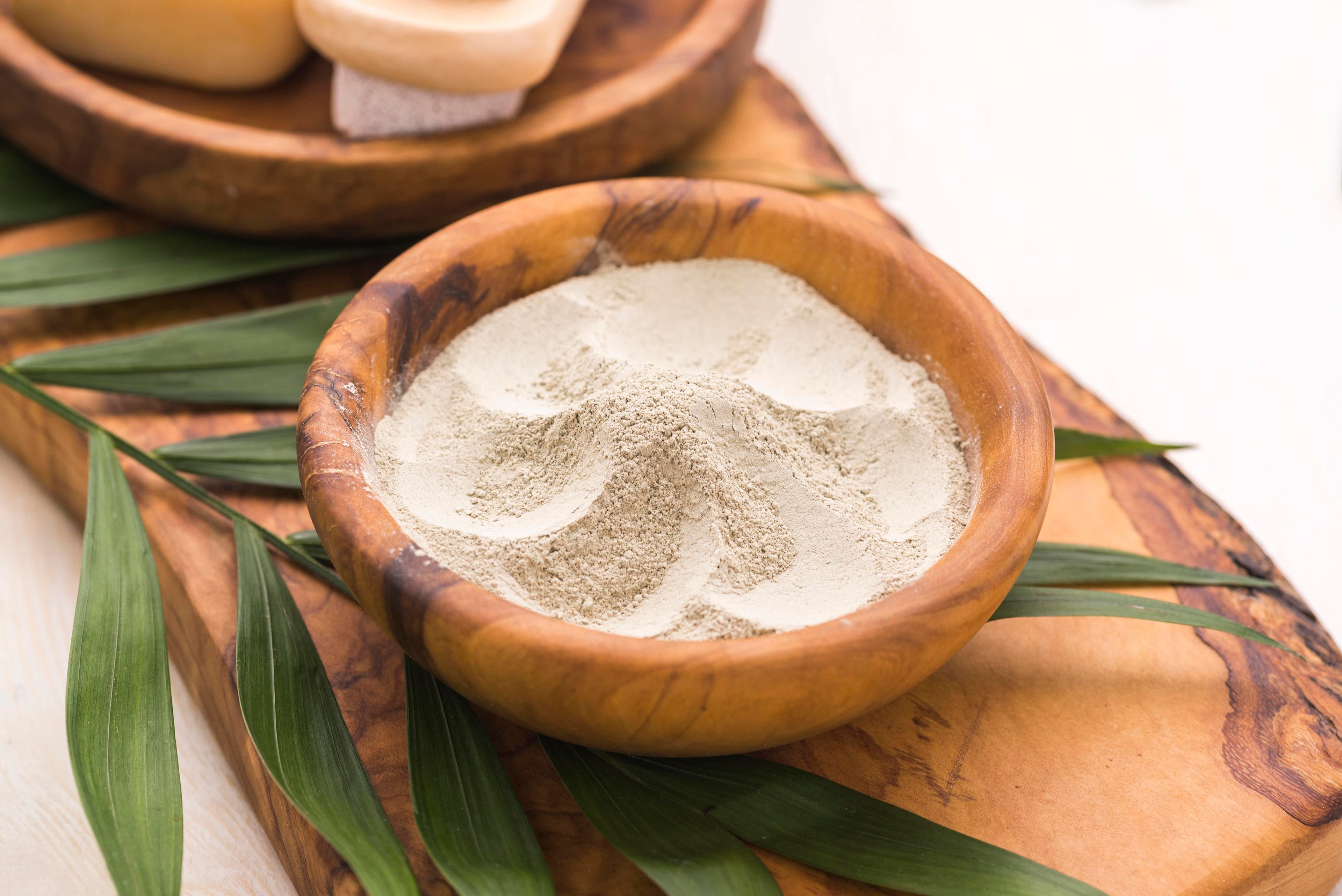
What is Bentonite?
Bentonite is a natural, highly plastic, and fine-grained clay consisting predominantly of the clay mineral montmorillonite. It is formed through the chemical weathering and alteration of volcanic ash over millions of years. The material is named after Fort Benton, Wyoming (USA), where its significant deposits were first discovered.
Structure and Classification
Bentonite possesses a layered crystalline structure and is primarily categorized into two major types based on the dominant element in its crystal lattice:
Sodium Bentonite (Swelling Bentonite): It has a high affinity for water and possesses high swelling capacity. When wet, it can expand to several times its dry volume, forming a dense, impermeable gel layer.
Calcium Bentonite (Non-swelling Bentonite): It exhibits low swelling potential but has high adsorption capacities for oils, fats, and organic compounds. It is frequently processed via acid activation for industrial applications.
Key Characteristics
High Water Absorption & Swelling: Sodium bentonite expands drastically upon hydration.
Thixotropy: It exhibits a unique rheological property where it becomes fluid when agitated or stressed but reverts to a gel-like state when left standing.
Ion Exchange & Adsorption: Due to its net negative surface charge, it acts as a powerful binder that can attract and trap toxins, heavy metals, and impurities.
Major Industrial Applications
Foundry Sand Binder: Used extensively in the metallurgical industry to bind molding sand for making iron, steel, and non-ferrous castings.
Drilling Muds: Crucial in oil, gas, and water-well drilling to lubricate and cool the cutting tools, flush out drill cuttings, and seal the borehole walls against fluid loss.
Civil Engineering & Waterproofing: Utilized in environmental engineering for sealing landfills, ponds, and dams due to its low hydraulic conductivity.
Cat Litter: Widely used as a premium clumping cat litter due to its excellent moisture absorption and odor control properties.
Clarification & Purification: Applied in refining edible vegetable oils, fats, and clarifying beverages like wines and juices.
Cosmetics & Pharmaceuticals: Integrated into detoxifying skincare products, clay facial masks, and pharmaceutical formulations for its high mineral content and toxin-binding capability.