
Blog
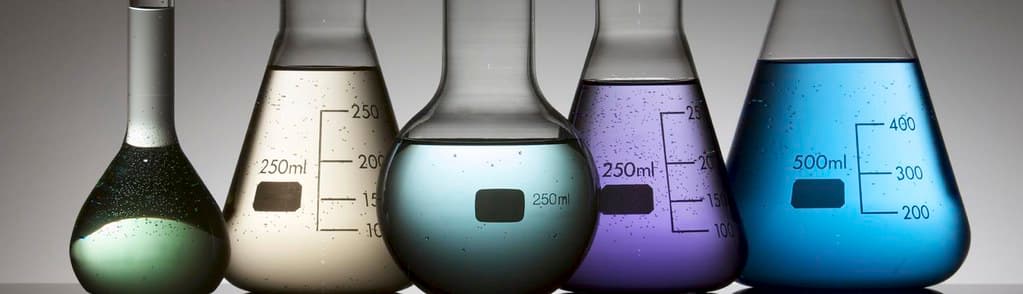
How to Choose the Right Bleaching Earth
The right bleaching earth is not only about color drop—it is the balance of filtration, oil loss, cost and process stability. For Erenkol users, selection starts with:
Read More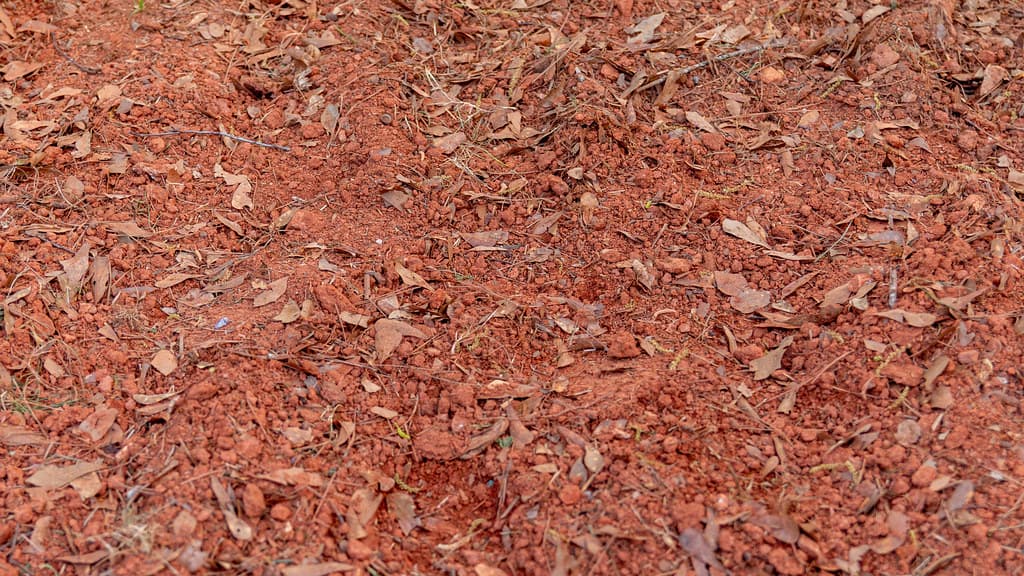
Activated Clay and Industrial Adsorption Applications
Activated clay is natural clay whose surface area and adsorption capacity are increased by acid or thermal treatment. Bleaching earth is one of the best-known members of this family in oil and process chemistry.
Read More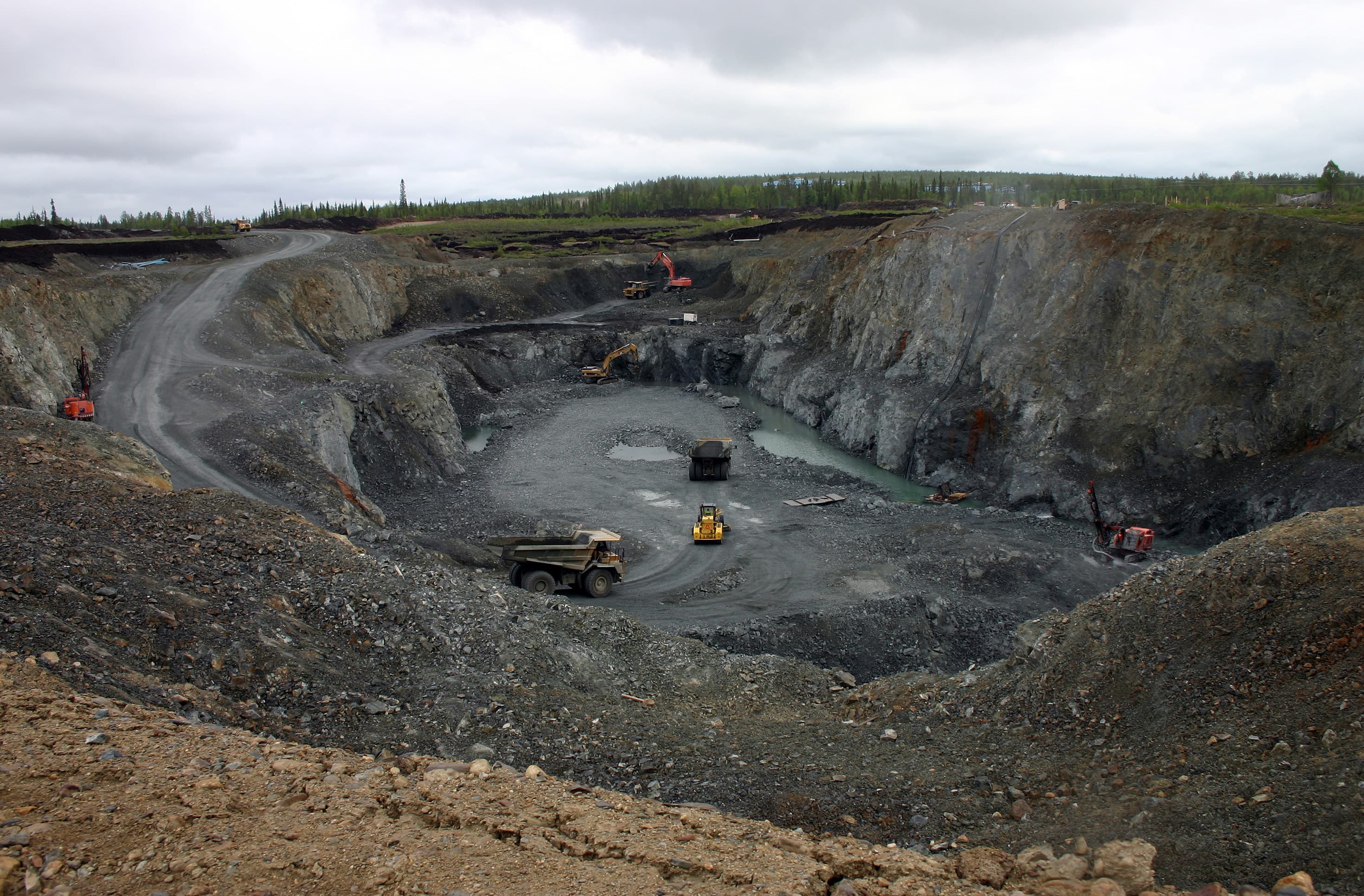
Bento Mineral Mining and Erenkol Production Quality
Bento Mineral Mining, based in Ankara, develops and manufactures Erenkol bleaching earth. Brand–manufacturer alignment means traceability, technical support and long-term supply security.
Read More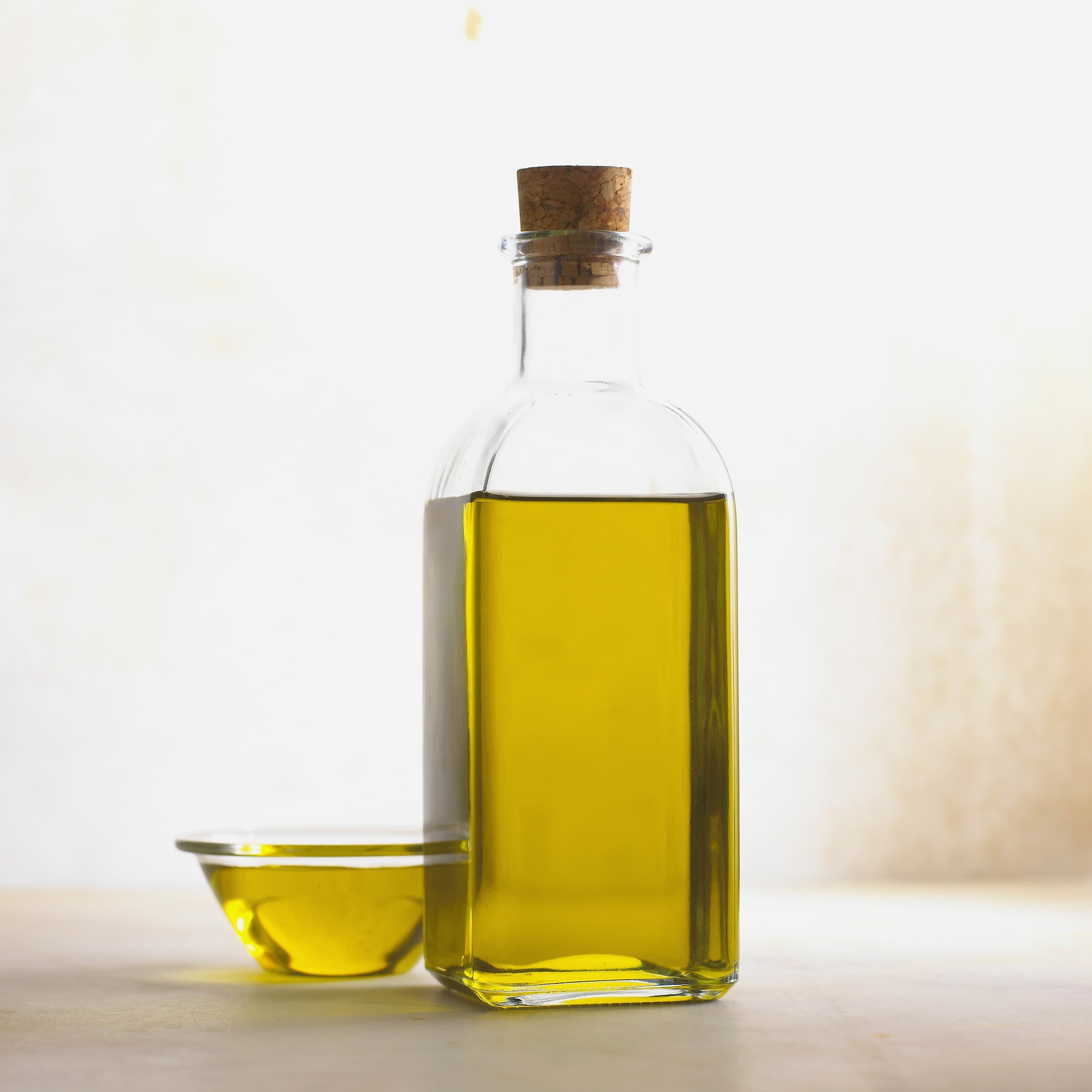
Bleaching Earth in Edible Oil Refining
In edible oil production, bleaching is a critical purification step after neutralization. It removes color bodies, residual soaps and polar contaminants from the oil.
Read More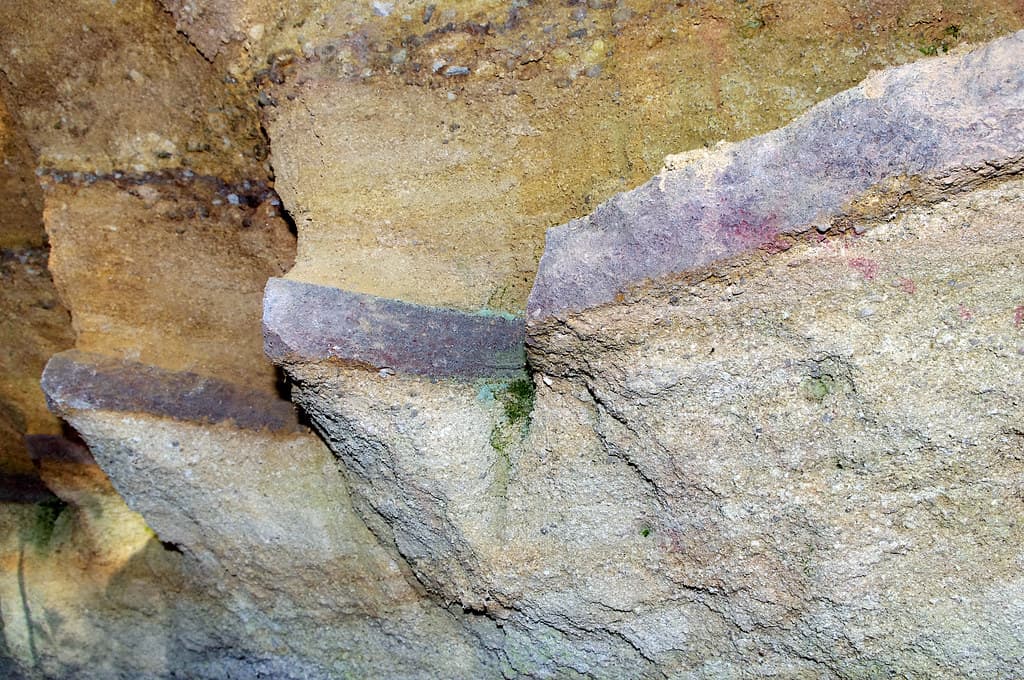
What Is Bleaching Earth? Industrial Use with Erenkol
Bleaching earth (activated clay) is a natural or activated clay mineral used in edible oil refining and many industrial processes to remove color, odor, gums and polar contaminants.
Read More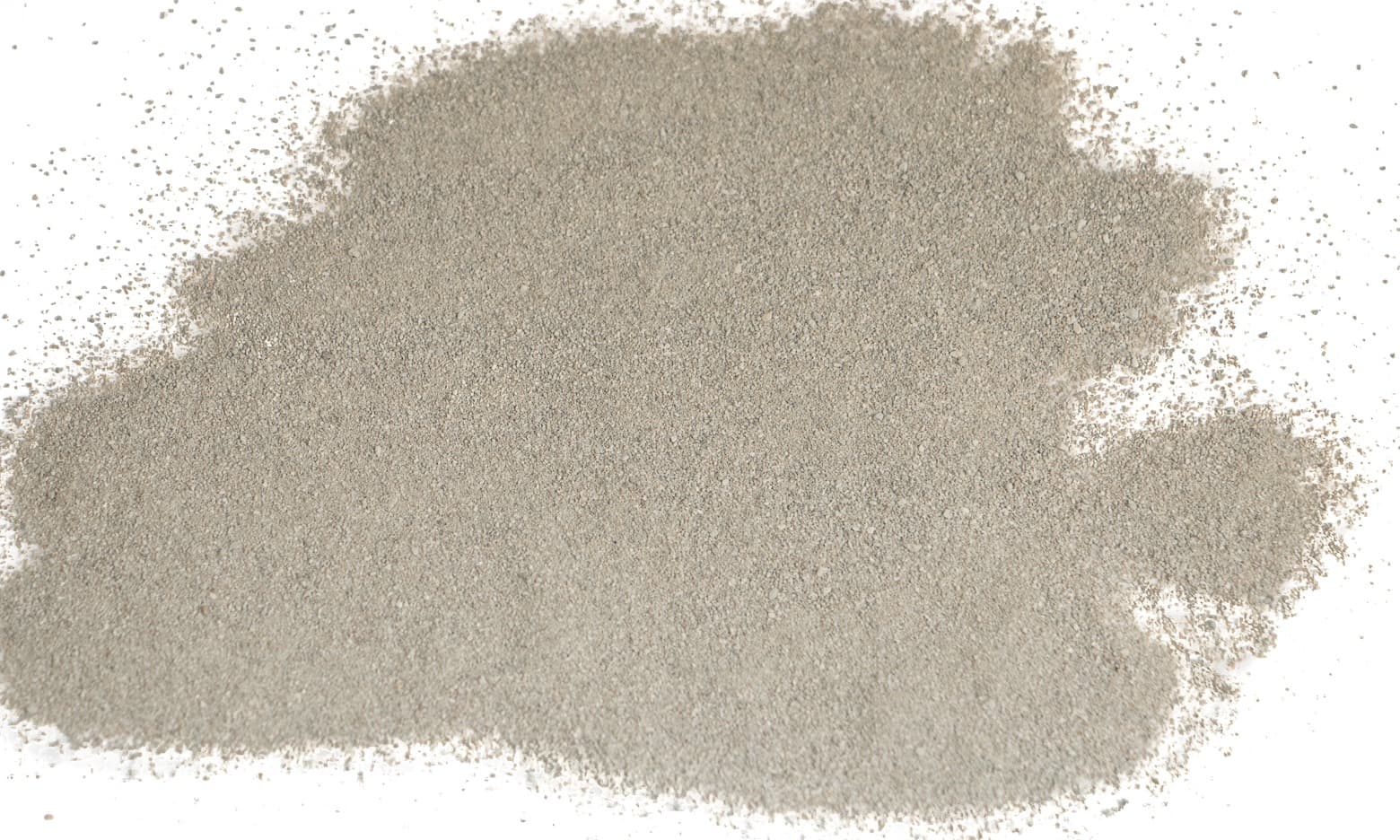
What is Sepiolite? Properties and Applications
Sepiolite (commonly known as Meerschaum or Sea Foam) is a complex hydrated magnesium silicate mineral. Named after its lightweight, fibrous structure resembling cuttlefish bone, sepiolite is a rare industrial raw material renowned for its exceptional absorptive properties.
Read More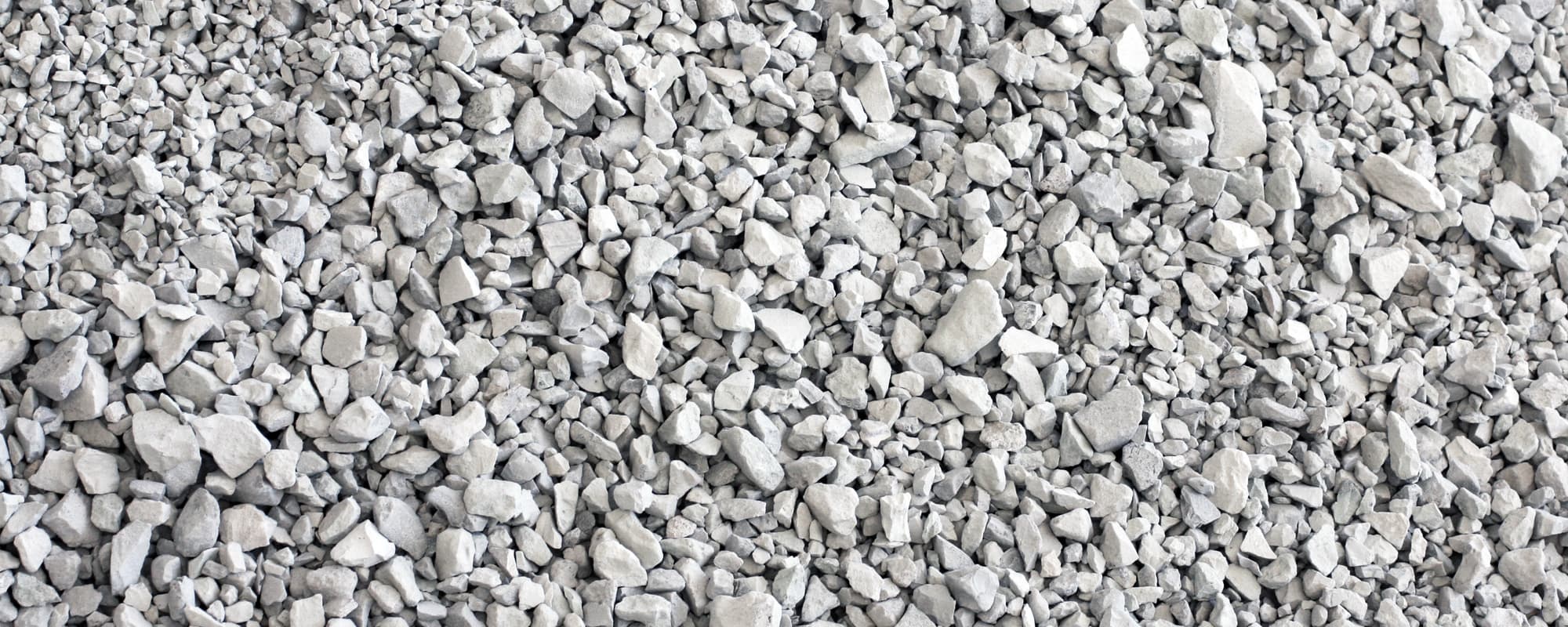
What is Zeolite? Applications and Properties
Zeolite is a natural volcanic rock composed of hydrated aluminosilicate minerals with a microporous crystalline framework. Often known as the "boiling stone," zeolite possesses exceptional ion-exchange, water retention, and gas adsorption capabilities thanks to its unique cage-like molecular structure.
Read More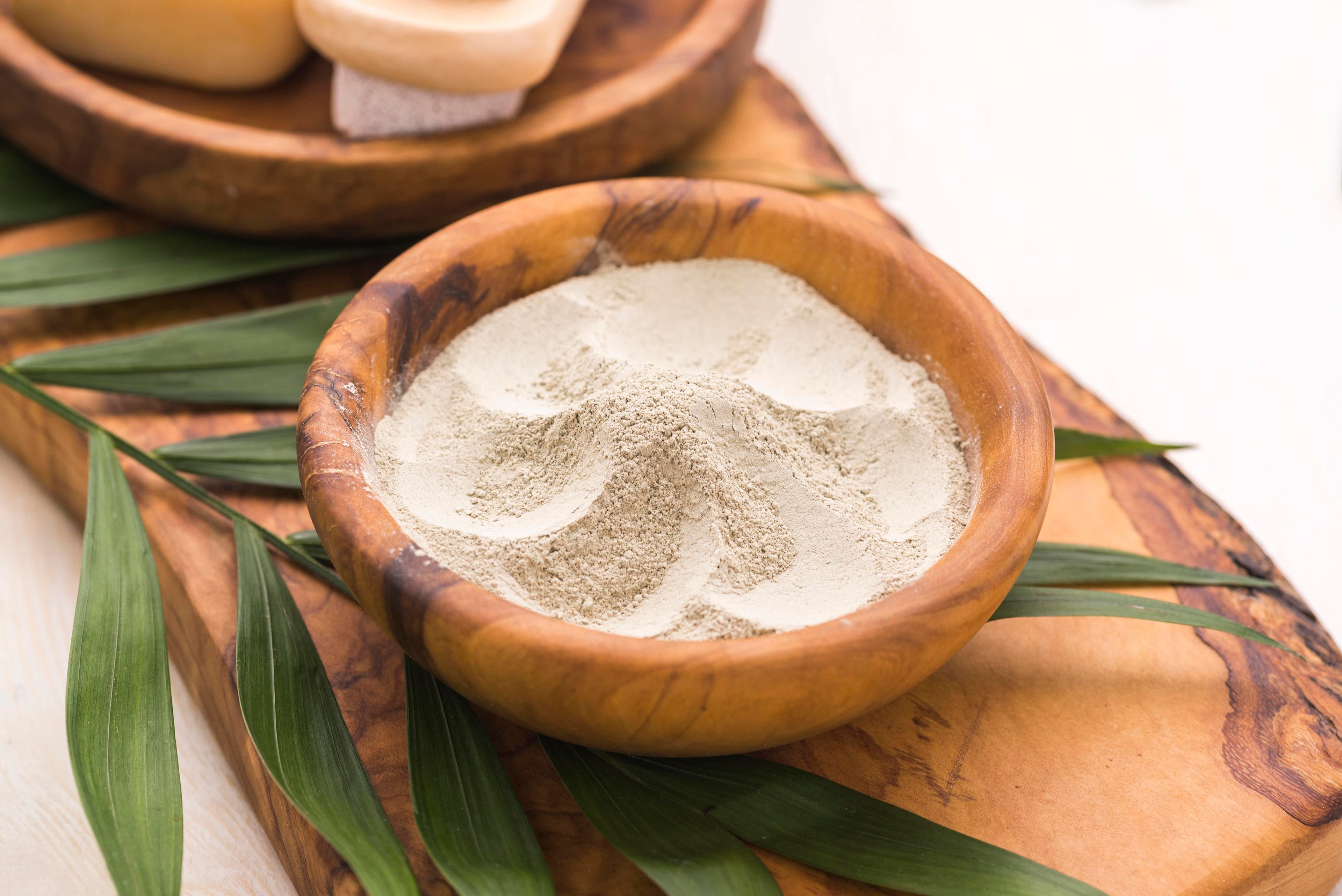
What is Bentonite, What are its Properties and Application Areas?
Bentonite is a natural, highly plastic, and fine-grained clay consisting predominantly of the clay mineral montmorillonite. It is formed through the chemical weathering and alteration of volcanic ash over millions of years. The material is named after Fort Benton, Wyoming (USA), where its significant deposits were first discovered.
Read More